Get James David Audlin's Current Book from Amazon!

Tuesday, May 15, 2012

Where It Goes From Here

Do you love good photography?
Do you enjoy exciting true adventure?
Do you love armchair travelling?
Have you ever thought about telling them where to shove it and moving to a strange new world?

If so, then here is the book for you!

(And, if it isn't, I have eleven novels, three story collections, a poetry collection, and two other nonfiction books available. Something's bound to interest you!)

Several hundred people around the world have been regularly reading this blog. It has served as a rough draft for a book that is now in publication!

The text is considerably built up from what appears in this blog, and it includes some concluding chapters that do NOT appear in the blog. So even faithful readers of the blog have lots more to read. Plus, the Deluxe Edition has a huge selection of beautifully reproduced photographs.

People who have been following my adventures in Panamá have asked me, "Where does it go from here?"

My plan is not to conclude this blog, but to continue posting here from time to time about my further adventures - and, who knows? - perhaps some day there will be a sequel to this book! I invite reader feedback on this (or any) matter.

The book is available in three formats:

HARDCOVER (large-size edition, photographs on nearly every page)
SOFTCOVER (large-size edition, photographs on nearly every page)
SOFTCOVER (smaller size edition, no interior photographs)
E-BOOK (all versions available, including Kindle and Nook, no photographs)

To browse or order, CLICK HERE!


The book is also available through Amazon (USA, Great Britain, and continental Europe) and other major book retailers.

Sunday, April 15, 2012

The Center of the World

Over these Tierras Altas (Highlands) stands the imposing presence of the tallest mountain in Panamá, Volcán Barú, or, as I think of him, Abuelo (Grandfather). By the Ngäbe Buglé inhabitants he is called Kdi, meaning “Big” or “Great”. The name “Barú”, I have been told, is how the Spanish mispronounced Marú, which in the Ngäbe Buglé language refers to the fuerza or fuego del Sol, the power or fire of the Sun. What is more, the valley over which he rules, the valley in which I live, is called in the same language Charaqué (my spelling of the word after listening to my oral sources), which means “The

Valley of the Moon”, and which, mispronounced by the Spanish, gives this province of Chiriquí its name.

These names are appropriate, calling to mind the complementary glories of the sun rising from behind the mountain in the chilly morning and sending its light down into the deeper alpine valleys, and the limpid moon floating over Barú and firing the crags with an invisible sheen of silver. And at sunset, when red and orange beams from the west strike fire upon the rocky

monolith.

* * *

As they come to me to be written, new chapters will be added to this blog, so stay tuned! But the blogs up to a certain point are now chapters are now in a book.

So, to read more, you need the book A WRITER IN PANAMÁ.

The book is available in three formats:

HARDCOVER (large-size edition, photographs on nearly every page)
SOFTCOVER (large-size edition, photographs on nearly every page)
SOFTCOVER (smaller size edition, no interior photographs)
E-BOOK (all versions available, including Kindle and Nook, no photographs)

To browse or order, CLICK HERE!


The book is also available through Amazon (USA, Great Britain, and continental Europe) and other major book retailers.

Thursday, April 12, 2012

The More the Marry Her

In North America and Western Europe individuals marry each other, and then they put up with their in-laws as best as they can, ignoring them if necessary. However, in Panamá the extended family is still very much in evidence. It was clear to me that I was not going to be able to marry Andrea unless her family entirely approved of me – which, fortunately, they did after each of them met with me, often several times, probing, though always politely, to see what stuff I am made of.

Simply put, I didn’t merely marry an individual, I married a family. Moreover, I did not become through marriage just that eccentric foreigner who wedded the matriarch of the family, a tolerated presence at gatherings of relatives, best ignored. No, I am henceforth a full member of a large Panamanian family, and in fact much more than that: I am the paterfamilias. Already the grandchildren are calling me Abuelo, Grandfather, and when they arrive at the house they run to throw their arms around not just Andrea, but me as well. I often am called upon to guide wisely, to console, and to teach.

In Panamá, at least here in the Tierras Altas, the extended family survives – though I cannot say for how long it will continue to do so as the corrosive arrogating influence of consumeristic “America” laps upward like a flood ever higher on the isthmus. It is marked by much togetherness and much love. My bride Andrea’s children all live in greater Panamá City, putting up with the pollution and traffic and stress because there they can earn more money to support their families. She regularly travels seven or eight hours on the public bus to spend a few days in the city – a couple nights with this child’s family, a couple nights with another, and so on – and she does so joyfully, not complaining as a North American surely would about the lengthy travel and the humidity and heat in the capital.

What is more, every chance these children get, they take some vacation days, pack the children into their cars, and drive the same long highways here to Paso Ancho. Here they bask in the sunny but cool climate, such a relief from la ciudad de Panamá, going fishing or swimming hiking, visiting with friends, or simply lying back in the sunshine with a can of suds. Andrea’s sons look for things they can fix in the house, and her daughters help her with her various cottage industries, making tortillas or duros or knitting.

* * *

As they come to me to be written, new chapters will be added to this blog, so stay tuned! But the blogs up to a certain point are now chapters are now in a book.

So, to read more, you need the book A WRITER IN PANAMÁ.

The book is available in three formats:

HARDCOVER (large-size edition, photographs on nearly every page)
SOFTCOVER (large-size edition, photographs on nearly every page)
SOFTCOVER (smaller size edition, no interior photographs)
E-BOOK (all versions available, including Kindle and Nook, no photographs)

To browse or order, CLICK HERE!


The book is also available through Amazon (USA, Great Britain, and continental Europe) and other major book retailers.

Saturday, April 7, 2012

Village and City

Early in the morning and again at about dusk, pickup trucks rattle down the road near our house. The cargo areas, fitted with rails, are crammed tight with Ngäbe Buglé men or women. They stand upright, silent and unmoving, facing outward. I watch them go by, looking out impassively at the world, in which I am apparently no more or less to be observed than a tree or a rock. Early on I tried waving to them, but they never react; now I content myself with observing them, not staring, just seeing them in as part of the world around me, just as they see me as part of the world around them. They are teaching me how to observe.

They do not complain about being trundled up to the big farms where they work, like so much machinery, which is just about all they are. From the moment they arrive in some rich man’s

fields they start in at breaking their backs through the day, setting out new onions or tearing potatoes from the earth or picking coffee beans from the bushes, either baked raw by the unrelenting sun or soaked to sodden shivers by the rainy season, all for – if they are fortunate – a maximum of about eight dollars a day. So poor are these people that in the rainy season their raincoats consist of black garbage bags, through which they poke their heads and arms.

In the rainy season it never gets particularly warm in this mountain land. Only in the morning is there usually a bit of sunlight – but it hasn’t quite dispelled the cold of night when the afternoon clouds steal across the sky, then hugging each other close until they pour forth the rain. But even in the dry season the relatively thin air here does not retain much heat. For most of the day in that part of the year, only excepting perhaps the height of the afternoon, the sunlight is warm but the air itself is cold – the light feels good on your face, but the sudden breeze reminds you that it’s hardly more than an illusion. Sometimes too, even in the dry season, the breeze bears that weather phenomenon unknown to me in my previous life – the bajareque, the rain blown down from the mountain heights. More often in the dry season it carries dust or sand; through those months I can sweep the floor two or three times a day to keep it reasonably clean. All year round one scents wood smoke in the air, especially in the morning and evening as people cook their meals.

* * *

As they come to me to be written, new chapters will be added to this blog, so stay tuned! But the blogs up to a certain point are now chapters are now in a book.

So, to read more, you need the book A WRITER IN PANAMÁ.

The book is available in three formats:

HARDCOVER (large-size edition, photographs on nearly every page)
SOFTCOVER (large-size edition, photographs on nearly every page)
SOFTCOVER (smaller size edition, no interior photographs)
E-BOOK (all versions available, including Kindle and Nook, no photographs)

To browse or order, CLICK HERE!


The book is also available through Amazon (USA, Great Britain, and continental Europe) and other major book retailers.

Saturday, March 31, 2012

The Merry Wife of Paso Ancho

In his book The Bloody Tenent (1644) Roger Williams condemned clergy who act as “hirelings of the state” by signing legal documents such as marriage certificates. I have always agreed with his view that our spirituality is a private thing, and government has no business condoning (for instance) who may or may not marry.

Despite Williams, clergy in the United States officiate at a ceremony that is both official and religious, a fact that caused me constant discomfort during my thirty-five years as a pastor. In France, where I attended one wedding, like here in Panamá, there are two separate wedding ceremonies: civil magistrates in their offices see to the formal signing and filing of official legal documents, usually in their offices, and then the bridal party (if this is desired) hies itself to its house of worship for the religious ceremony.

Andrea and I had the pleasure of attending a wedding at the Roman Catholic church in Paso Ancho – a couple who have been living together for about half a century and have a considerable progeny finally decided to get married. The wedding was performed by an affable young priest in the castle-like church whose windows look out on the lovely hills surrounding the village. A rather good guitarist led several hymns, including one set to Paul Simon’s “The Sounds of Silence” (I wonder ifhe knows). There was a huge crowd of Panamanians, plus a handful of gringos, to witness the ceremony. They chitter-chattered, with toddlers wandering at will, nobody paying much attention to the priest – possibly because not many were observant Catholics; only a third or so took communion. But the priest had baskets passed to everyone take a collection – the Empire of Rome still exacts its tribute.

Our own day began early in the morning with my dressing myself in a suit and tie that I had bought at the Roman Catholic mission. By agreement, Andrea and I stayed apart so I would not see the bride beforehand .Friends John and Carmen drove me down to the notary’s office in the city of Davíd. On the way we stopped to buy a dozen roses, white and red, for me to present to the bride as grooms do in Panamá.


As always, it was hot and humid in Davíd. We waited in the waiting room and, in short order, Andrea arrived with family. Her gorgeous wedding dress (handmade by her sister) being saved for later, she was in a lovely gown. We were escorted into the small office of a pretty young notaría, with friends and family members crowding in as well as they could. The notaría began by reading various passages from Panamanian law about the sanctity of marriage. Then she had the couple recite vows – and Andrea and I both burst into tears, much to the amusement of those with us.

* * *

As they come to me to be written, new chapters will be added to this blog, so stay tuned! But the blogs up to a certain point are now chapters are now in a book.

So, to read more, you need the book A WRITER IN PANAMÁ.

The book is available in three formats:

HARDCOVER (large-size edition, photographs on nearly every page)
SOFTCOVER (large-size edition, photographs on nearly every page)
SOFTCOVER (smaller size edition, no interior photographs)
E-BOOK (all versions available, including Kindle and Nook, no photographs)

To browse or order, CLICK HERE!


The book is also available through Amazon (USA, Great Britain, and continental Europe) and other major book retailers.

Friday, March 30, 2012

A Farmer Ploughed Under by Debt

NOTE: This is a cross-post between James David Audlin's two blogs, "A Writer in Panama" (panamawriter.blogspot.com) and "Ranting the Truth, not Gassing Political Platitudes" (rantingthetruth.blogspot.com)

In Santa Rosa, a quiet village well away from the highways and cities, I visited a farm specializing in milk, rice, and platanos. It is a lovely, quiet place, owned and operated by the same family for generations, is spread out over vividly green hills as full of life a new mother’s breasts, with occasional copses of trees.

I was introduced to the owner, a man in his sixties. His sharply observant eyes were set in a face hardened and lined by weather. His feet stood on the earth the way trees do. He showed us around not with pride but with an unspoken confidence: he didn’t have to convince me that the farm was well-managed because he knew this as well as he knew his own name. He felt no need to hear the polite pompous approbation of a foreigner who probably knows nothing about farming, but like all gringos thinks he knows everything about everything, better than these ignorant Panamanians.

So I was ignored. He went on to discuss with family members the high cost of milking machines, which he said he needs to purchase somehow if he’s going to stay in business. The conversation, in rapid Spanish, was rather technical, with a lot of facts and figures. These people knew their subject; these weren’t ignorant, foolish farm folk, as some people from the urbanized United States might think but sharp-thinking, well-informed agriculturalists. I followed the conversation going on around me as if I weren’t there, and then I offered my own comments.

“It’s similar in the United States,” I told the farmer in Spanish. “Gigantic megafarms, run by huge corporations, are dumping huge amounts of cheap rice and milk on the market in the Northeast and other states. As a result, small farmers in those states are going bankrupt, and their farms being turned into suburban developments or shopping malls. And then, just as soon as these corporations have all the customers to themselves, the prices go up again.”

His eyes widened at my words. I had surprised him, and he was surprised, moreover, that a gringo could surprise him.

* * *

As they come to me to be written, new chapters will be added to this blog, so stay tuned! But the blogs up to a certain point are now chapters are now in a book.

So, to read more, you need the book A WRITER IN PANAMÁ.

The book is available in three formats:

HARDCOVER (large-size edition, photographs on nearly every page)
SOFTCOVER (large-size edition, photographs on nearly every page)
SOFTCOVER (smaller size edition, no interior photographs)
E-BOOK (all versions available, including Kindle and Nook, no photographs)

To browse or order, CLICK HERE!


The book is also available through Amazon (USA, Great Britain, and continental Europe) and other major book retailers.

Thursday, March 29, 2012

Los Aves y las Abejas

Romance, for the Panamanians, begins early in life. Even little girls here are amazingly proficient at the art of coquetry. As they enter their teens the object of their fluttering eyes and big smiles is less their fathers or grandfathers and more the boys their own age. Overwhelmed with rapidly awakening sexual desire, the boys chase the girls for sex. The girls do too, but also for children – if a boy gets a girl pregnant, it’s still traditional here that they will get married. That doesn’t slow down the sexual romps of adolescents, nor does the frighteningly increasing risk of serious venereal disease, including AIDS, succeed in slowing down the quick change of partners.

The traditional Latin chauvinism is very much the way of the game here, as it has been for centuries, from before the Conquistadores set out in their ships. The young men are always quick to flirt with any reasonably attractive young women. Even the younger bus conductors and the stock boys in the grocery store are quick to whisper sweet nothings in the ear of a pretty female, putting their hand just past the girls neck and leaning into the wall behind the girl, their faces just about touching.

It’s all lies, it’s all posturing, and it’s all designed simply (for the males) to maximize the number of sexual partners and (for the females) to select the best future mate; I am reminded of many species of fowl and wild bird and monkey in this land, all doing pretty much the same thing. As they get older, marriage seems to be mainly a practical consideration, with love not really a factor, but for the females stability and income; for the males, it’s about looks and status. (Thus, only occasionally do they even consider a Ngäbe Buglé partner, even though these people are often astonishingly attractive.)

* * *

As they come to me to be written, new chapters will be added to this blog, so stay tuned! But the blogs up to a certain point are now chapters are now in a book.

So, to read more, you need the book A WRITER IN PANAMÁ.

The book is available in three formats:

HARDCOVER (large-size edition, photographs on nearly every page)
SOFTCOVER (large-size edition, photographs on nearly every page)
SOFTCOVER (smaller size edition, no interior photographs)
E-BOOK (all versions available, including Kindle and Nook, no photographs)

To browse or order, CLICK HERE!


The book is also available through Amazon (USA, Great Britain, and continental Europe) and other major book retailers.

Wednesday, March 28, 2012

Between the Wilderness and Gringoland

Every time I take the bus to or from Panamá City, a wonderful thing happens. Normally my fellow riders, other than tourists, fall asleep in their seats, or sit listlessly, never looking out at the scenery that so fascinates me. But, at the moment that we cross the Panamá Canal, everyone

looks out of the windows with considerable intensity. People take photographs. They look at each other, smiling. Clearly, they are taking pride of ownership – they are all thinking, “This is our canal.”

This is a beautiful country with a wonderful people. But in many ways this is a country without an identity. And it is a country still deeply traumatized by the past and present.

Ever since the European invasion centuries ago, the isthmus has always had a “Sugar Daddy” to take care of everything, building and maintaining the infrastructure, keeping unruly elements under control, seeing to essential human needs especially after natural disasters. First it was a colony of Spain, then of France; then it became a part of Colombia; then after ostensible independence it fell under the hegemony of the United States; then, supposedly a sovereign democracy, it fell under a series of dictators, most notoriously Noriega, who (like all dictators) got things done efficiently but at a great sociological cost.

When the subject of Noriega or other strongmen comes up, my Panamanian friends immediately display signs of discomfort. When they trust me sufficiently, they speak in lowered voices – as if there is still a risk of arrest – when spies and executioners were everywhere. I have one neighbor who shows clear signs of PTSD (Post-Traumatic Stress Disorder) from the Noriega years; he still has a great deal of difficulty trusting others, and often comes up with strange lies evidently designed to protect himself and his family.

* * *

As they come to me to be written, new chapters will be added to this blog, so stay tuned! But the blogs up to a certain point are now chapters are now in a book.

So, to read more, you need the book A WRITER IN PANAMÁ.

The book is available in three formats:

HARDCOVER (large-size edition, photographs on nearly every page)
SOFTCOVER (large-size edition, photographs on nearly every page)
SOFTCOVER (smaller size edition, no interior photographs)
E-BOOK (all versions available, including Kindle and Nook, no photographs)

To browse or order, CLICK HERE!


The book is also available through Amazon (USA, Great Britain, and continental Europe) and other major book retailers.

Tuesday, March 27, 2012

Talking about Talking

In a restaurant in Paris many years ago I couldn’t help but notice at the next table a hulking huge Texan in an eleven-gallon cowboy hat trying to decipher the menu. “What’s this ess-carr-gots thang?” he drawled in his frustration. “And what’s this pay-tease dih foize grass?” He called a waiter over to his table, and the latter patiently explained the various menu items. The Texan’s face got redder and redder with anger, and finally exploded, “Why can’t y’all jus’ speak Amurrican? It’s so much easier!”

Here in Panamá too a lot of folks from North America also seem to think it’s just an act – that the Panamanians really speak English fluently and only do the “Spanish thing” to drive these transplants crazy. Some gringos have lived here for many years and still are unable to speak the least bit of Spanish – and when someone doesn’t understand what they are saying their solution is simple: keep speaking English, but SCREAM IT AT THEM.

Speaking of restaurants, I heard one thirsty gringo, not knowing how to ask for agua, kept screaming “Water!” at the waitress. She smiled, sure she understood at last, and took him to the men’s room. You see, the word wáter means “toilet”.

As for me, I have a strange theory, but it seems to be working out pretty well. My theory is that I am a guest in this country, and therefore I must conform myself to the country, and not the country to me: it makes more sense for one person (me) to learn Spanish than for a whole country to learn English just to accommodate that one person. According to my theory, people actually do speak Spanish all the time here, even at home when there are no gringos around, and not just to drive me nuts when they see a foreign face. Therefore, I conclude, it’s my responsibility to work hard at speaking Spanish as well as I can.

* * *

As they come to me to be written, new chapters will be added to this blog, so stay tuned! But the blogs up to a certain point are now chapters are now in a book.

So, to read more, you need the book A WRITER IN PANAMÁ.

The book is available in three formats:

HARDCOVER (large-size edition, photographs on nearly every page)
SOFTCOVER (large-size edition, photographs on nearly every page)
SOFTCOVER (smaller size edition, no interior photographs)
E-BOOK (all versions available, including Kindle and Nook, no photographs)

To browse or order, CLICK HERE!


The book is also available through Amazon (USA, Great Britain, and continental Europe) and other major book retailers.

Monday, March 26, 2012

A Moveable Fiesta

It was my fiancée Andrea’s birthday, and we went into Volcán, the bigger community just south of Paso Ancho, for the parade in her honor. Well, truthfully, it’s an annual event in honor of the establishment of the postal system, and, given the relatively recent Pony Express kind of history of the Correos Y Telegraficos (established in 1924), there is an annual parade of equestrians through Volcán. (Another identical parade is held every 8 January to celebrate the establishment of the first factory in Panamá to make food for horses.)

Hundreds of riders come to Volcán from all over the province of Chiriquí with their beautiful horses. I was told that the Tierras Altas region doesn’t have a favorite breed (like, for instance, the affection in Vermont for the Morgan); I saw a predominance of Arabians, thoroughbreds, and paints, some Palominos, and one or two examples of just about every other breed. Nearly all appeared to be well cared for; I saw only one that needed to be briskly curried, and another that was frothing and trying to throw her bit, a sure sign that the wrong bit was used or that it wasn’t fitted properly.

The riders were of all ages and both genders. Most appeared to be Panamanians, but I saw one gringo, one Asian girl, and a few Native Americans mixed in (probably hired hands). I loved seeing children, as many as three, seated in front of their parents on the same horse, and one proud little boy all alone on his own small horse!

Everyone was clearly enjoying the event, including the crowd of people lining the main road in Volcán, the various entrepreneurs selling fried chicken or second-hand hats, and the dozen dozens of riders. At one point I kissed Andrea’s hand, and some young guys behind us started whistling with amusement, to tease us old folks for being romantic. So I turned and announced to the people around us that now our secret relationship was out and my honor was sullied. Everyone laughed.

As the parade wound down we did the traditional “promenade”, walking down the street looking for friends and relatives to visit with, past the parked cars with huge stereo speakers blasting bad music into the street while people with situational hearing loss stood around drinking beer.

* * *

As they come to me to be written, new chapters will be added to this blog, so stay tuned! But the blogs up to a certain point are now chapters are now in a book.

So, to read more, you need the book A WRITER IN PANAMÁ.

The book is available in three formats:

HARDCOVER (large-size edition, photographs on nearly every page)
SOFTCOVER (large-size edition, photographs on nearly every page)
SOFTCOVER (smaller size edition, no interior photographs)
E-BOOK (all versions available, including Kindle and Nook, no photographs)

To browse or order, CLICK HERE!


The book is also available through Amazon (USA, Great Britain, and continental Europe) and other major book retailers.
Sunday, February 12, 2012

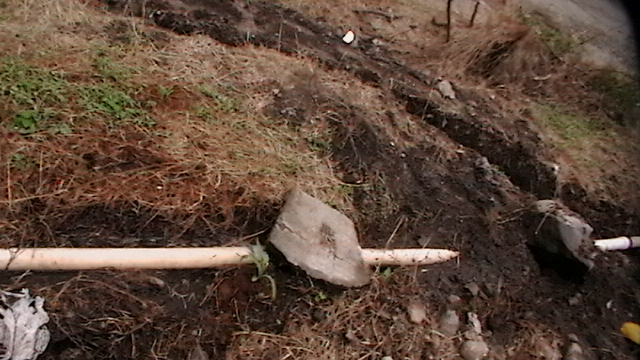
Up, but Not in Arms

How well I remember the uprisings of the Iroquois Confederacy and other Native nations, when the people in solidarity resisted the Euro-American (i.e., from their perspective, the invaders’) government squeezing the Native people ever more tightly in encroachments on their sovereign land and freedoms. Where Europeans march at the orders of leaders, Native people rise up en masse, spontaneously, with the harmonized unity of a colony of bees or ants to say, “We have had enough!” At various times the Iroquois took over Alcatraz, blockaded the New York State Thruway (which crosses sovereign territory of one Iroquois nation, the Seneca) and international bridges into Canada.

And how much I have felt emotionally involved in the worldwide Occupy movement, despite living in a poor country far from the centers of plutocratic power. Ever since it began in Tunisia and Egypt, I have rejoiced to see a spontaneous movement of ordinary people – no leaders inciting them, simply an amorphous declaration of the same thing: “We have had enough!”

Still, living here in the Tierras Altas, I felt far removed from all that. Panamá, and this part of it in particular, usually seems so idyllic, so peaceful, that all the troubles elsewhere in the world are part of some other far more troubled world. Certainly not this one.

Until the same cry of “We have had enough!” came to the Tierras Altas.

* * *

As they come to me to be written, new chapters will be added to this blog, so stay tuned! But the blogs up to a certain point are now chapters are now in a book.

So, to read more, you need the book A WRITER IN PANAMÁ.

The book is available in three formats:

HARDCOVER (large-size edition, photographs on nearly every page)
SOFTCOVER (large-size edition, photographs on nearly every page)
SOFTCOVER (smaller size edition, no interior photographs)
E-BOOK (all versions available, including Kindle and Nook, no photographs)

To browse or order, CLICK HERE!


The book is also available through Amazon (USA, Great Britain, and continental Europe) and other major book retailers.

Tuesday, January 31, 2012

Preparing the Children

The so-called “developed” countries of North America, Europe, and eastern Asia are well supplied with technology, but little humanity. Costs are high and rising, but so too is unemployment. The opportunity to buy is manifold, but the opportunity to live is shrinking. In those countries I don’t see the sons running to help their fathers, the daughters their mothers; as a result, the young generation is not learning basic survival skills, nor even in reading or writing or singing. Like their parents, they are interested rather and only in (what passes for) music and video games, measuring their lives in terms of the intensity of pleasure they can accrue during every nanosecond.

And, when their economy falls apart, when their civilization destroys itself, when the infrastructure around them crashes, when there are no stores to buy things in and no jobs to acquire the money to pay for them, what then? How will they survive?

In those “developed” countries the social networks have been systematically broken – government and commerce have taken over the role of parents, teaching, counselling, admonishing, and all for the clear purpose of creating little workers/consumers. It is the ultimate dependency culture. From when they are little they are hooked on the drugs of dextrose, fried starches, lipids, grains, chocolate, and grain products. As they get older, electronic toys, emptyheaded music, and the internet are added to the mix, along with coffee, alcohol, and tobacco, then on to the other stuff – all dependencies that create a profit for Big Business.

* * *

As they come to me to be written, new chapters will be added to this blog, so stay tuned! But the blogs up to a certain point are now chapters are now in a book.

So, to read more, you need the book A WRITER IN PANAMÁ.

The book is available in three formats:

HARDCOVER (large-size edition, photographs on nearly every page)
SOFTCOVER (large-size edition, photographs on nearly every page)
SOFTCOVER (smaller size edition, no interior photographs)
E-BOOK (all versions available, including Kindle and Nook, no photographs)

To browse or order, CLICK HERE!


The book is also available through Amazon (USA, Great Britain, and continental Europe) and other major book retailers.
Thursday, December 8, 2011

Village Economics

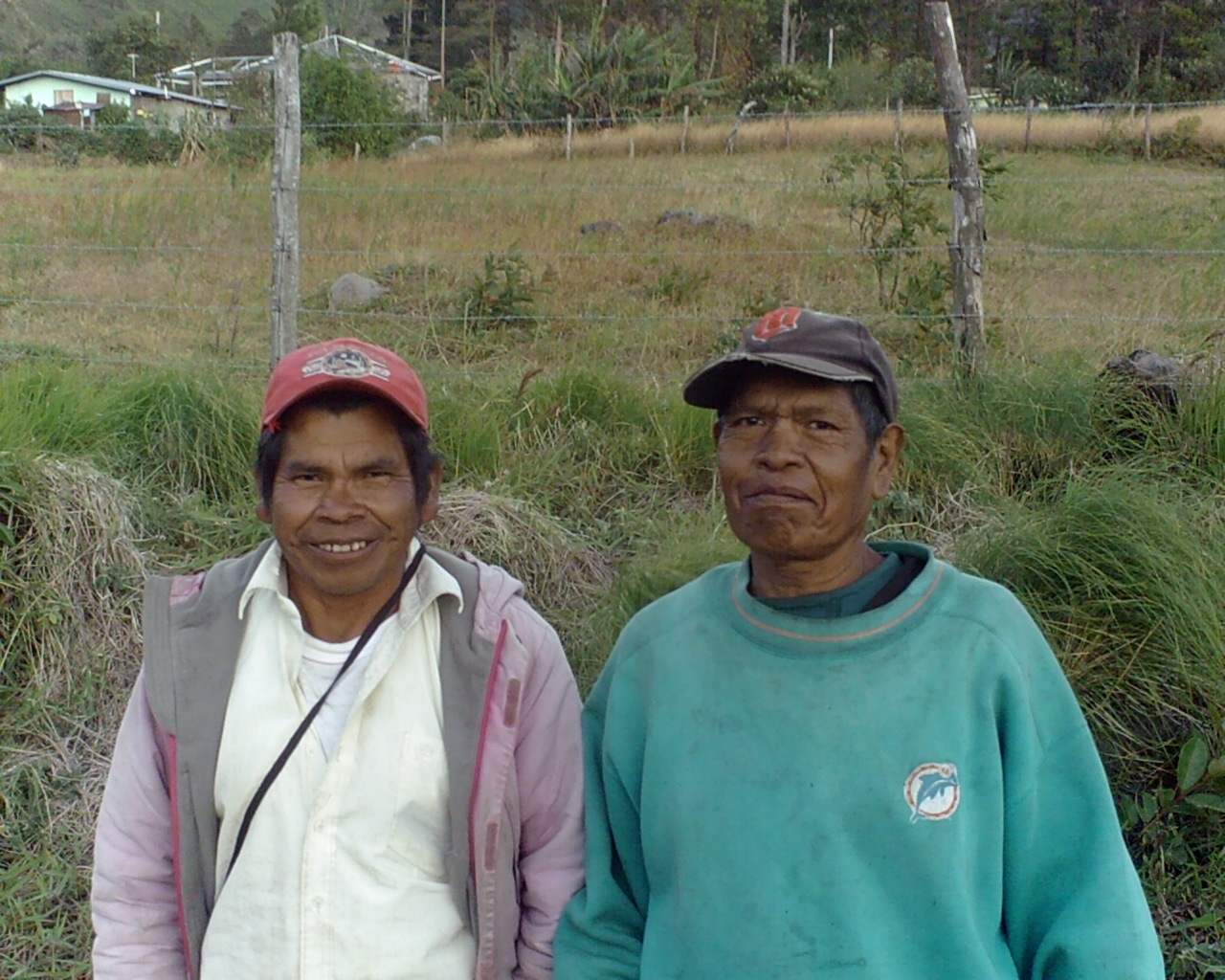
As the world economy seems on the verge of crumbling, I think of the statement by Jesus that “The meek shall inherit the earth.” This is usually taken as a bit of hyperbole, as just the observations that kingdoms may rise and fall, but the poor shall abide through all the power changes – or that the greedy will go to hell, but the poor will be worthy of entering heaven.

However I am starting to wonder that Jesus might have meant this in a directly literal sense – that the meek, the poor, shall literally inherit the earth.

For those whose lives are all about money and the power over it, a worldwide economic meltdown will be a disaster. As North America and Europe and Japan become increasingly ruined by pollution, radiation, and crime on every level from the street corner to the government, those who live by money will be rendered increasingly vulnerable. The Nehiyawok (Cree) people put it well: “When all the trees have been cut down, when all the animals have been hunted, when all the waters are polluted, when all the air is unsafe to breathe, only then will you discover that you cannot eat money.”

People in the highly industrialized lands of the world, the rich countries, are generally at a far remove from the basic necessities of life. The food they eat goes from farm to shipper to wholesaler to packager to another shipper to distributor to retailer. The farms on which they rely are disappearing at an alarming rate. The water they drink comes through conduits often from sources hundreds of miles away. The homes they live in were built with materials trucked in from a great distance – and, if they lose these homes, there is nothing nearby from which they can construct a new home, nor do they know how to do so, except by paying a company to put it up.

But here in Panamá it’s different.

* * *

As they come to me to be written, new chapters will be added to this blog, so stay tuned! But the blogs up to a certain point are now chapters are now in a book.

So, to read more, you need the book A WRITER IN PANAMÁ.

The book is available in three formats:

HARDCOVER (large-size edition, photographs on nearly every page)
SOFTCOVER (large-size edition, photographs on nearly every page)
SOFTCOVER (smaller size edition, no interior photographs)
E-BOOK (all versions available, including Kindle and Nook, no photographs)

To browse or order, CLICK HERE!


The book is also available through Amazon (USA, Great Britain, and continental Europe) and other major book retailers.

Wednesday, November 16, 2011

"They Are Just Stupid, Lazy Animals"

Panamanians have mostly learned about life in the United States from watching its films and television shows. Hollywood movies and situation comedies are a major staple on Panamian television – in fact, other than the local news programs, a few telenovelas (soap operas), and the occasional nature show, there’s precious little produced in Latin America.

As a result, a lot of Panamanians believe, rightly or wrongly, that most United States citizens are incredibly wealthy, have one meaningless sexual affair after another, and shoot each other simply all the time. I also find it unpleasantly amusing to see how much swearing and cursing and sexually charged language there is in Hollywood’s offerings – I don’t think I have ever heard a local person utter even the mildest of epithets; only gringos.

This barrage of imagery, it seems to me, makes it hard for many folks here to accept that I’m not terribly different from them: they are so sure that people with my color eyes and skin are incredibly rich. I have to work hard to assure them that I have barely enough money to get by, that my life in the States was reasonably ordinary, and that I wish for no drama here, but just to live peacefully.

Sadly, a lot of expatriates living here do very little to dispel the image promoted on television. The financial assets held by many of these

people would be a pretty ordinary amount north of México. But here the U.S. dollar goes so much farther that these gringos think their money somehow justifies their turning into greedy monsters. They hire local people as workers, treating them like dirt, to put up gaudily ugly McMansions. They scream at these workers, usually in English because they can’t be bothered to learn Spanish, treating them like dirt, and spewing racist epithets like you wouldn't believe.

* * *

As they come to me to be written, new chapters will be added to this blog, so stay tuned! But the blogs up to a certain point are now chapters are now in a book.

So, to read more, you need the book A WRITER IN PANAMÁ.

The book is available in three formats:

HARDCOVER (large-size edition, photographs on nearly every page)
SOFTCOVER (large-size edition, photographs on nearly every page)
SOFTCOVER (smaller size edition, no interior photographs)
E-BOOK (all versions available, including Kindle and Nook, no photographs)

To browse or order, CLICK HERE!


The book is also available through Amazon (USA, Great Britain, and continental Europe) and other major book retailers.

Tuesday, November 8, 2011

Hospitals and Healers

Where I lived in the United States and France, most people were unwell most of the time. They weren’t necessarily outright sick terribly often, but they never really felt the way people should feel; they were constantly tired (even when they got up in the morning), and burdened with indigestion, backaches, migraines, and breathing difficulties. They were often trying to work at their jobs while wishing they could just stay in bed, but, when they could rest, they found themselves unable to sleep. They would see the doctor, who would prescribe something, but they never really got better.

Here in las Tierras Altas (the Highlands) of Panamá there seems to

be a far lower incidence of low-grade illnesses such as colds and flus and chronic fatigue and allergies. I think a big reason for this is the relatively clean environment: the air here has very little if any industrial/vehicular pollution in it, the water is pure and full of healthy minerals, and the locally grown produce is healthy and nutritious. Also, people (except for the rich gringos and their big SUVs) get a lot more exercise here. Except for those rich gringos, most people don’t own cars; they walk to the grocery store, they walk to the bus stop, they walk to visit friends. The bus stop for me is a walk of several minutes, up a long incline, and I walk it quickly on purpose to increase the exercise potential.

But the most important health-inducing factor here is, without question, the lack of stress. The local people – Panamanians (Latinos) and Ngobe Bugle (Native Americans) alike – are a very easygoing, laid-back people. It frustrates a lot of gringos that they’ll say, “I’ll come by to do your landscaping tomorrow,” and then not show up for two or three days, but that’s the way they are: they will get to everything, but they feel no anxiety to rush through things; instead, they do it when the time comes.

If anxiety and stress are what you want, I recommend the big seacoast cities – the city of Panamá, Davíd, Colón – where you’ll find plenty of tension and pollution

* * *

As they come to me to be written, new chapters will be added to this blog, so stay tuned! But the blogs up to a certain point are now chapters are now in a book.

So, to read more, you need the book A WRITER IN PANAMÁ.

The book is available in three formats:

HARDCOVER (large-size edition, photographs on nearly every page)
SOFTCOVER (large-size edition, photographs on nearly every page)
SOFTCOVER (smaller size edition, no interior photographs)
E-BOOK (all versions available, including Kindle and Nook, no photographs)

To browse or order, CLICK HERE!


The book is also available through Amazon (USA, Great Britain, and continental Europe) and other major book retailers.

Saturday, November 5, 2011

Spirits are Walking Abroad

This morning the silence is not empty but full. There are presences out there, around my little house; I can sense them. I look through the windows and see the cold mist breathing in and among the trees like ghosts. I step outside, wanting to take photographs of it, but my poor little camera is not up to the task, since it has no settings that can be adjusted. But it would be hard to record an image of these wandering spirits with even a good camera; perhaps it is their wish not to be photographed, and their nature to prevent it. Back inside I return.

And then unexpectedly, with the appearance of the sun over the great

Mount Barú, there is light everywhere, chasing the last vestiges of these mist-ghosts back into their shadowy lairs. Dawn arrives in splendor, with intense azure above the lower horizon, deepening over the mountains, and, high up in the firmament, a few thin cirrus glowing in saffron and pink, caught in the rays of the Sun yet below the horizon, for here on the earth below, all is still dark, still dark.

* * *

As they come to me to be written, new chapters will be added to this blog, so stay tuned! But the blogs up to a certain point are now chapters are now in a book.

So, to read more, you need the book A WRITER IN PANAMÁ.

The book is available in three formats:

HARDCOVER (large-size edition, photographs on nearly every page)
SOFTCOVER (large-size edition, photographs on nearly every page)
SOFTCOVER (smaller size edition, no interior photographs)
E-BOOK (all versions available, including Kindle and Nook, no photographs)

To browse or order, CLICK HERE!


The book is also available through Amazon (USA, Great Britain, and continental Europe) and other major book retailers.

Tuesday, October 18, 2011

Real People

By now I’ve gotten pretty used to the reality that nothing can be taken for granted.

No matter whether a Panamanian service provider says “Tomorrow” or “A week from next Tuesday”, it invariably translates into “When I have nothing I’d rather be doing, and need the money.”

Nothing works dependably, human or otherwise. The electricity and the internet go out at least once a day, sometimes for just moments, and sometimes for hours.

The public water system is also doomed to frequent failure. Mountain

water – it is clear and delicious – flows by gravity down plastic PVC pipes. The system is such a hodgepodge that even Rube Goldberg would shudder. The pipes are sometimes buried, and sometimes simply laid across the surface of the land. There are unexplainable L joints zigging the pipes into unnecessary detours, incomprehensible junctures, dead-ends, and my favorite – frequent breaks that send geysers of water spurting into the air, and which remain unrepaired for weeks on end.


When the water system fails, most residents, even the gringos, rely on barrels they’ve had under their roof runoff downspouts to collect rainwater. Curious, I asked what they if the water system fails in the Dry Season, and the rainbarrels are empty. “Oh,” I was told, “we just go down to the river with a couple buckets.”

* * *

As they come to me to be written, new chapters will be added to this blog, so stay tuned! But the blogs up to a certain point are now chapters are now in a book.

So, to read more, you need the book A WRITER IN PANAMÁ.

The book is available in three formats:

HARDCOVER (large-size edition, photographs on nearly every page)
SOFTCOVER (large-size edition, photographs on nearly every page)
SOFTCOVER (smaller size edition, no interior photographs)
E-BOOK (all versions available, including Kindle and Nook, no photographs)

To browse or order, CLICK HERE!


The book is also available through Amazon (USA, Great Britain, and continental Europe) and other major book retailers.

Monday, September 26, 2011

The Frontier Land

What does it mean when we say this is a frontier land?

A friend suggested to me that the term carries an unpleasant implication of prejudice against the Native people who live here, who once were the only human residents. But I think it’s an appropriate way to speak of this land.

The seacoast cities, and some of the more gringified inland communities, are certainly laden with all the unpleasant trappings of Western civilization. But even there you see Ngobe Bugle people dressed in their traditional raiment – about the only concession they make is to wear shoes in the cities, because of the invaders’ penchant for letting broken glass and dirty needles accumulate in the streets. These Ngobe Bugle pass through like the wind, like ghosts and spirits. They do not tap their feet to the loud Latin music blaring from loudspeakers on the public buses and in the shops.

They say not a word. Their faces, carved from the same stone that their ancestors immortalized, show no expression. The Panamanians and the gringos pay them absolutely no attention unless they stand directly in front of them and take some of the invaders’ money out of their pouches to buy something.

But I look at them; I am again and again struck by the similarity of what I am seeing to photographs of the American West in the 1880s or so. I see a proud people learning to turn invisible before they are made to disappear by the advancing flood of, ahem, civilization. I love especially to watch

the Ngobe Bugle women passing through the Panamanian world in their colorful dresses; they are eternally unhurried and unruffled, simply visitors from another world, not participating in this one; they are more like wild animals in their utter separateness. Sometimes I surprise them when I greet them in their language – their expressions do not change, but you can see in their eyes the thought, “What, you see me? You, a foreigner, can speak words in our language?”

* * *

As they come to me to be written, new chapters will be added to this blog, so stay tuned! But the blogs up to a certain point are now chapters are now in a book.

So, to read more, you need the book A WRITER IN PANAMÁ.

The book is available in three formats:

HARDCOVER (large-size edition, photographs on nearly every page)
SOFTCOVER (large-size edition, photographs on nearly every page)
SOFTCOVER (smaller size edition, no interior photographs)
E-BOOK (all versions available, including Kindle and Nook, no photographs)

To browse or order, CLICK HERE!


The book is also available through Amazon (USA, Great Britain, and continental Europe) and other major book retailers.

Tuesday, September 13, 2011

Where the Wind Blows

I learned the other day that my little house back in the Catskill Mountain region of upstate New York was destroyed in a hurricane. Apparently the combination of wind and water pulled down a tree, which crashed through the roof into what had been my bedroom. If I had been in it at the time, I might well have been killed. At minimum, I would now be homeless and destitute. But, instead, I am alive and well and very happy in las Tierras Altas (Highlands) of Panamá.

One friend walked through it, talking to me on the telephone and describing the damage. I learned that thieves had come in, in my absence, and stolen pretty much everything – furniture, dishes and silverware, and precious family heirlooms like my great-grandmother’s handmade coverlet from the 1880s. Later, a neighbor came by and, with my permission, took what little was left to give to the poor. Since a lot of people, including families I knew, had lost everything in the hurricane, I was glad to do what little I could in this way.

What are things? Just things! All my life I have preached and taught that we must not allow ourselves to become possessed by our possessions. As one medicine man taught me, “Walk lightly upon this Earth.” For many years that little house with my few belongings was all I had. So it’s gone. In any case, I have had no plans to return to it; I couldn’t afford a return even if I wanted to. All I have lost is the option of going back, which I have never intended to exercise. In any case, I have had no plans to return to it; I couldn’t afford a return even if I wanted to. So, whether it exists or not is all the same to me. So, let the mortgage people, the insurance people, the tax collectors, and the lawyers fight over the bones. For, whether it exists or not, I have

what’s most precious: my memories. And look how Creator has looked out for me: Rather than losing everything, I’m safe here in another country.

Another country? I’m in another world!

* * *

As they come to me to be written, new chapters will be added to this blog, so stay tuned! But the blogs up to a certain point are now chapters are now in a book.

So, to read more, you need the book A WRITER IN PANAMÁ.

The book is available in three formats:

HARDCOVER (large-size edition, photographs on nearly every page)
SOFTCOVER (large-size edition, photographs on nearly every page)
SOFTCOVER (smaller size edition, no interior photographs)
E-BOOK (all versions available, including Kindle and Nook, no photographs)

To browse or order, CLICK HERE!


The book is also available through Amazon (USA, Great Britain, and continental Europe) and other major book retailers.

Monday, August 22, 2011

Taking Life as it Comes

Coming home in the darkness the other night was a wonderful experience for

me that most people in the Northern Hemisphere will never experience. If and when residents of the “developed” countries must go somewhere in pitch dark, without the incandescent lighting they completely expect and rely on, they are confused and frightened.

Here in Paso Ancho, even when there’s electricity, there are long stretches of the calles that after the sun has set are unlit by any artificial light – neither streetlamps nor houses with electricity are nearby, for these parts of town are mostly inhabited by Ngobe Bugle people. But, when the electricity goes out, as often happens, then the entire town is completely black. The only exceptions are the houses off in the gringo part of town; there the big gringo generators are fired up, generating an alien effulgence that seems to be from another world; you have to be careful not to look their way or you lose your night vision.

These nights, as I find my way home after having dinner and a pleasant evening with friends, are for me a fine adventure indeed. I don’t have a flashlight as I negotiate the calles (what pass for streets in this village, basically dirt paths), and I don’t need one. I let the darkness teach me: it is a Grandfather, a wise master who reminds me to slow down and become acutely aware of my surroundings through the senses, other than sight, yet available to me. This wisdom I am learning to invoke as well during the day.

On either side of the road are deep ditches, and often there are dangerous

deep ragged ruts right down the middle of it, erosion from the runoff from the heavy downpours of Rainy Season. There are, besides, large rocks here and there that can upset the unwary. And I never know if another section of the road has been washed away since the last time I came this way. So, if I’m not extremely careful, I could break an ankle or leg, or even fall and hit my head. And nobody would know about me until sometime the following day. So I must carefully use my senses of touch and hearing and what information sight does afford me.

* * *

As they come to me to be written, new chapters will be added to this blog, so stay tuned! But the blogs up to a certain point are now chapters are now in a book.

So, to read more, you need the book A WRITER IN PANAMÁ.

The book is available in three formats:

HARDCOVER (large-size edition, photographs on nearly every page)
SOFTCOVER (large-size edition, photographs on nearly every page)
SOFTCOVER (smaller size edition, no interior photographs)
E-BOOK (all versions available, including Kindle and Nook, no photographs)

To browse or order, CLICK HERE!


The book is also available through Amazon (USA, Great Britain, and continental Europe) and other major book retailers.